Construction is one of the strongest pillars of every national economy. A country cannot become modern without roads, bridges, factories, warehouses, transport systems, industrial zones, and strong urban planning. The future of economic growth depends heavily on construction development.
Around the world, countries like China, Malaysia, Singapore, Saudi Arabia, the UAE, and South Korea have shown how strategic construction planning can transform an entire nation. Construction is no longer just about buildings. It is about economic power, national stability, industrial growth, and future city development.
At MPS Meghna Construction Sdn. Bhd., we believe steel structure construction plays one of the most important roles in this transformation. Warehouses, factory sheds, rooftop systems, mezzanine floors, industrial platforms, steel staircases, and structural steel buildings are now the backbone of modern development.
Why Construction Industry Drives Economic Growth
Every major economy in the world invests heavily in construction. The reason is simple:
Construction creates jobs, supports industries, increases investment, improves transportation, and builds long-term national assets.
When a country builds:
- Factories
- Warehouses
- Industrial parks
- Commercial towers
- Transport systems
- Roads and highways
- Ports and airports
- Smart residential cities
it creates direct economic growth and future opportunities.
Construction is not an expense. It is an investment.
China: A Global Example of Construction-Led Growth
China is one of the strongest examples of how construction can transform a nation’s economy.
Cities like Shanghai, Shenzhen, Guangzhou, and Chongqing were developed through:
- Mega infrastructure projects
- High-speed railway systems
- Industrial steel construction
- Government-controlled land planning
- Smart transportation systems
- Steel structure buildings
- Factory and warehouse expansion
China made construction a national policy. Not just private business.
This is why construction became one of the biggest drivers of China’s economic growth.

Malaysia and the Rise of Smart Construction
Malaysia is one of Southeast Asia’s best examples of balanced construction growth and industrial development.
Projects like:
- Merdeka 118
- TRX (Tun Razak Exchange)
- Industrial logistics zones
- Warehouse steel structures
- Factory development hubs
- Integrated smart business districts
show how strong policy and modern construction planning create sustainable economic growth.
Malaysia combines:
- Government planning
- Foreign investment
- Construction regulation
- Industrial development
- Professional subcontractors
This creates long-term urban stability.
How Poor Countries Can Build Low-Cost Modern Cities
Many people believe poor countries cannot build modern cities because they lack money.
This is not fully true.
Many countries fail not because of low budgets, but because of weak planning and poor policy execution.
Low-cost modern cities can be built through smart systems.
Step 1: Start with Industrial Zones
Do not begin with luxury towers. Begin with:
- Factories
- Warehouse districts
- Steel fabrication zones
- Export hubs
- Transport terminals
Industry creates jobs. Jobs create economic growth. Growth creates modern cities.
Step 2: Use Steel Structure Construction
Steel structure construction is faster, stronger, and often more cost-effective than traditional systems.
Steel reduces:
- Project delays
- Labor dependency
- Material waste
- Maintenance costs
- Construction risks
This makes steel ideal for:
- Factories
- Warehouses
- Schools
- Hospitals
- Government buildings
- Industrial platforms
Step 3: Strong Government Policy
Government policy is the biggest power in national development.
Strong governments support construction through:
- Fast approval systems
- Anti-corruption policy
- Clear construction permits
- Investor-friendly regulations
- Industrial incentives
- Infrastructure funding
- Public-private partnerships
Without policy, construction slows. Without construction, economies stop growing.
Government Policy Can Also Become a Barrier
Sometimes government systems themselves become the biggest obstacle.
Common barriers include:
- Slow approval systems
- Corruption
- Weak planning
- Changing regulations
- Poor technical supervision
- Lack of engineering discipline
Construction requires technical leadership—not only administration.
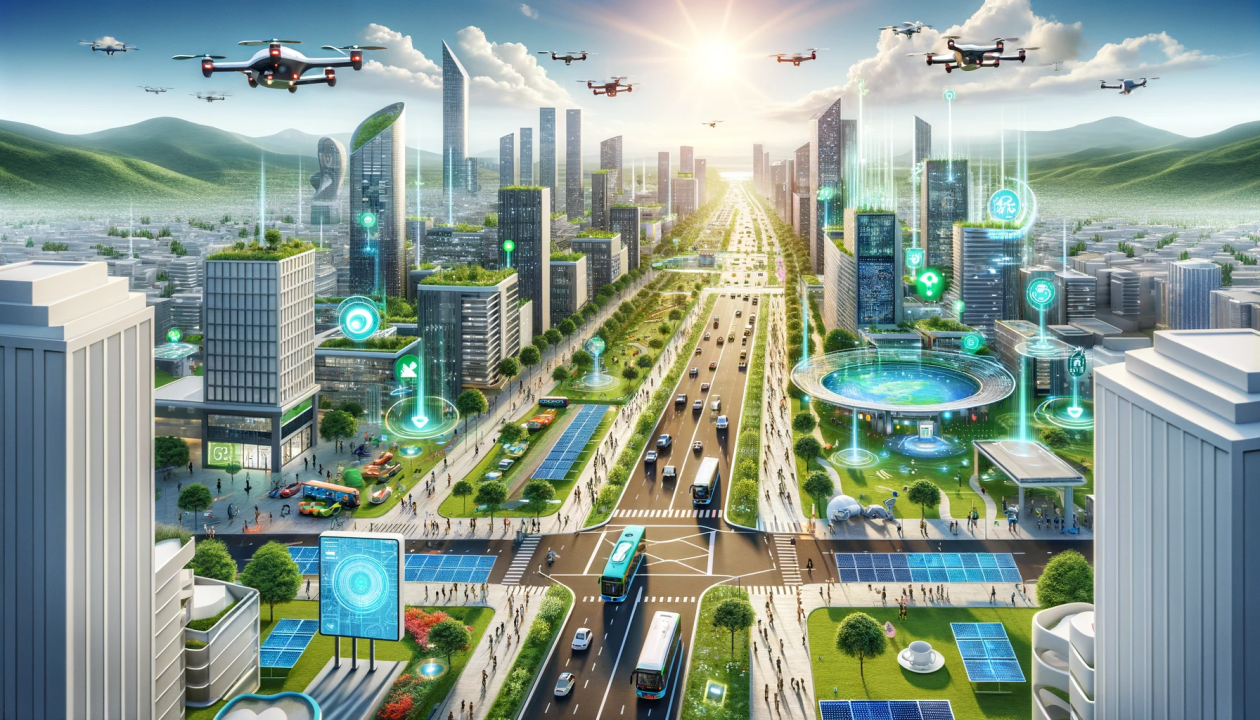
Future Construction Will Be Smart Construction
The next generation of cities will not be built traditionally.
Future construction will be:
- Smart
- Sustainable
- Faster
- Integrated
- Human-centered
Cities of the future must be built for people— not only for buildings.
The Role of Steel Contractors in Future Development
Behind every smart city stands strong structural work.
Steel contractors are the hidden foundation of modern urban development.
At MPS Meghna Construction Sdn. Bhd., we support future development through:
- Warehouse steel structures
- Factory sheds
- Rooftop steel systems
- Mezzanine floors
- Steel staircases
- Pipe racks
- Industrial platforms
- Steel fabrication
- Structural steel erection
Without strong steel, modern cities cannot exist.
Final Words
The future belongs to countries that understand one truth:
Construction is Economic Strategy
Not only physical work.
Modern cities are built through:
- Vision
- Policy
- Engineering
- Industrial strength
- Government leadership
- Professional contractors
Poor countries can become modern nations. But they must build smart—not expensive.
They must plan long-term—not politically.
They must prioritize structure—not appearance.
The future belongs to builders who understand systems— not only buildings.
And that future has already begun.